

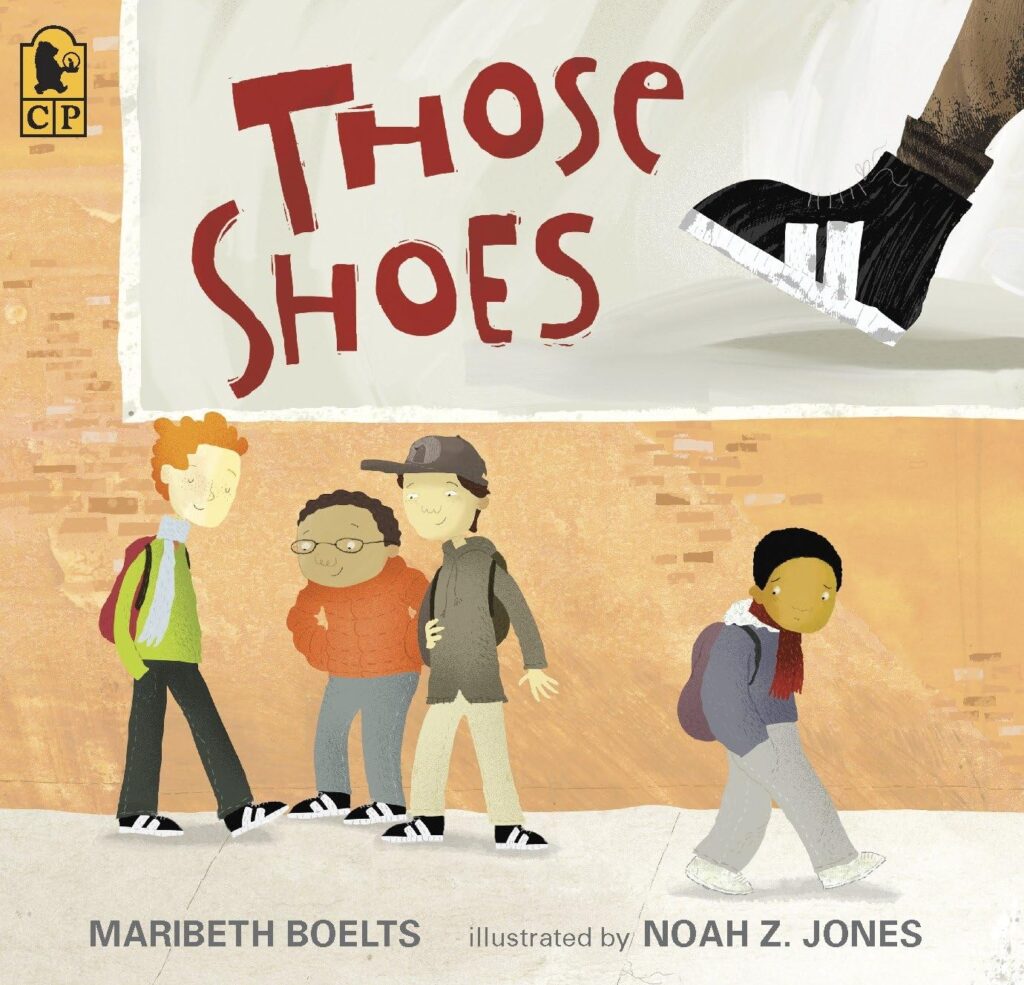


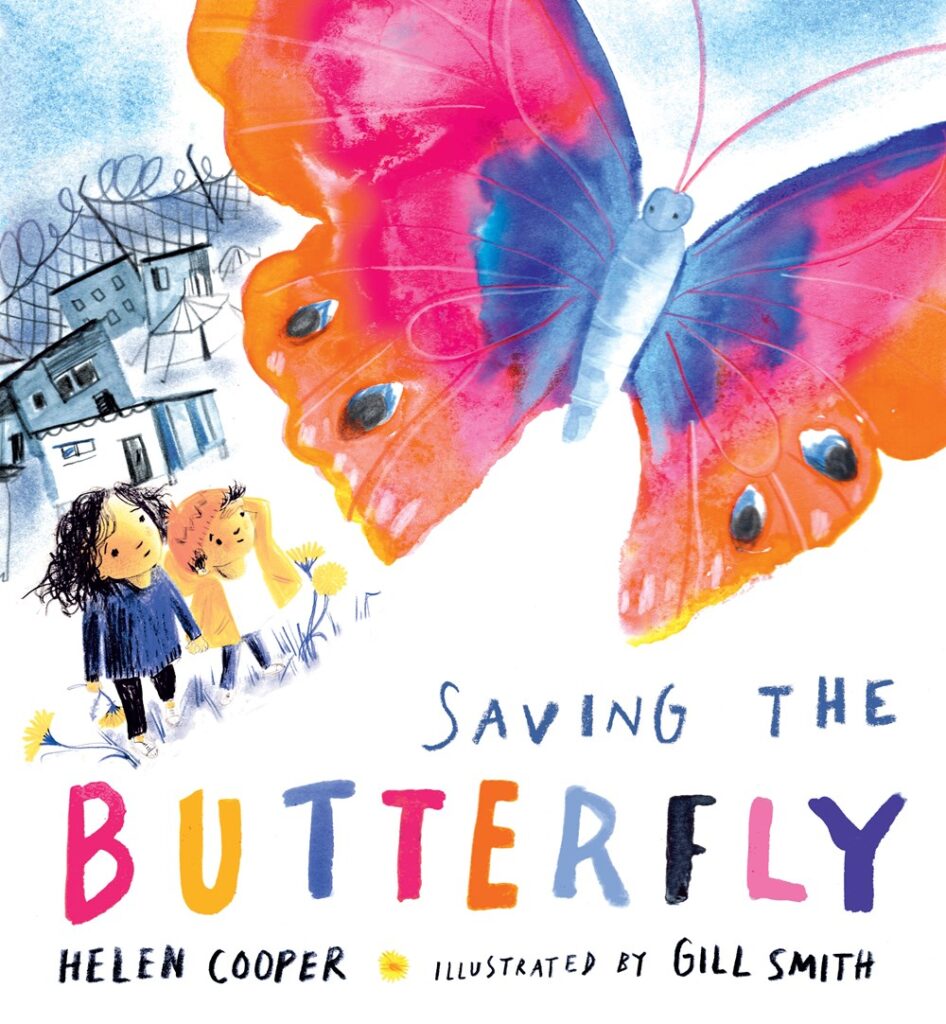
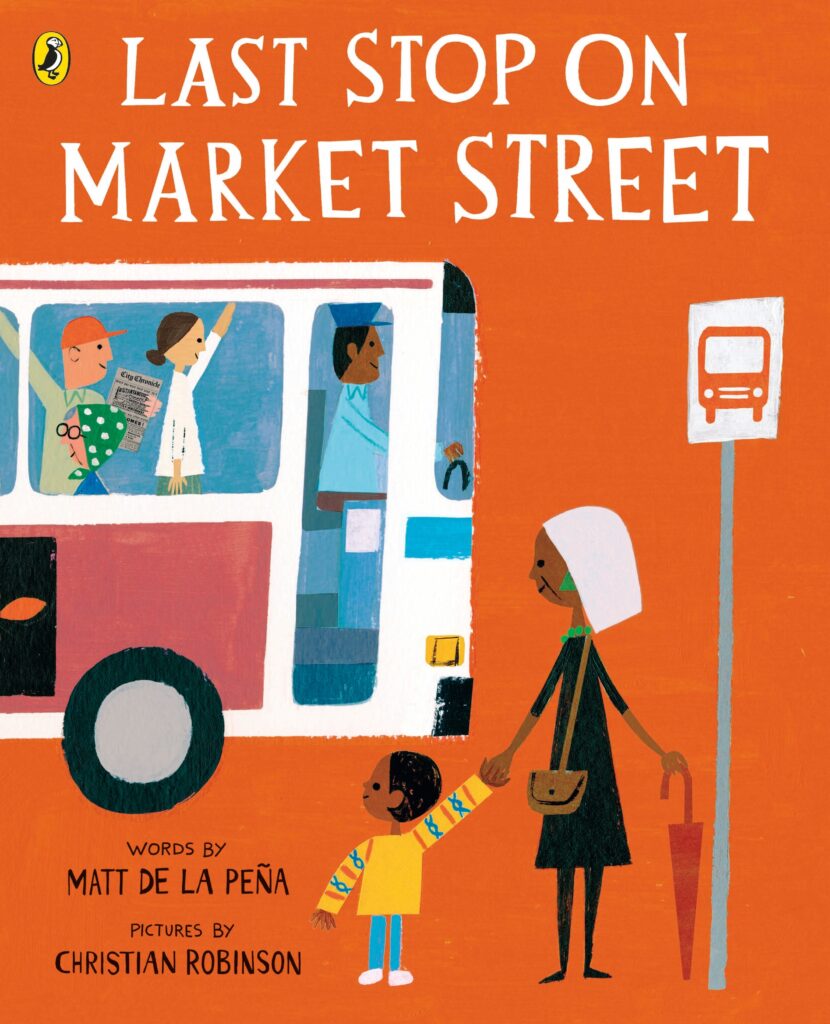

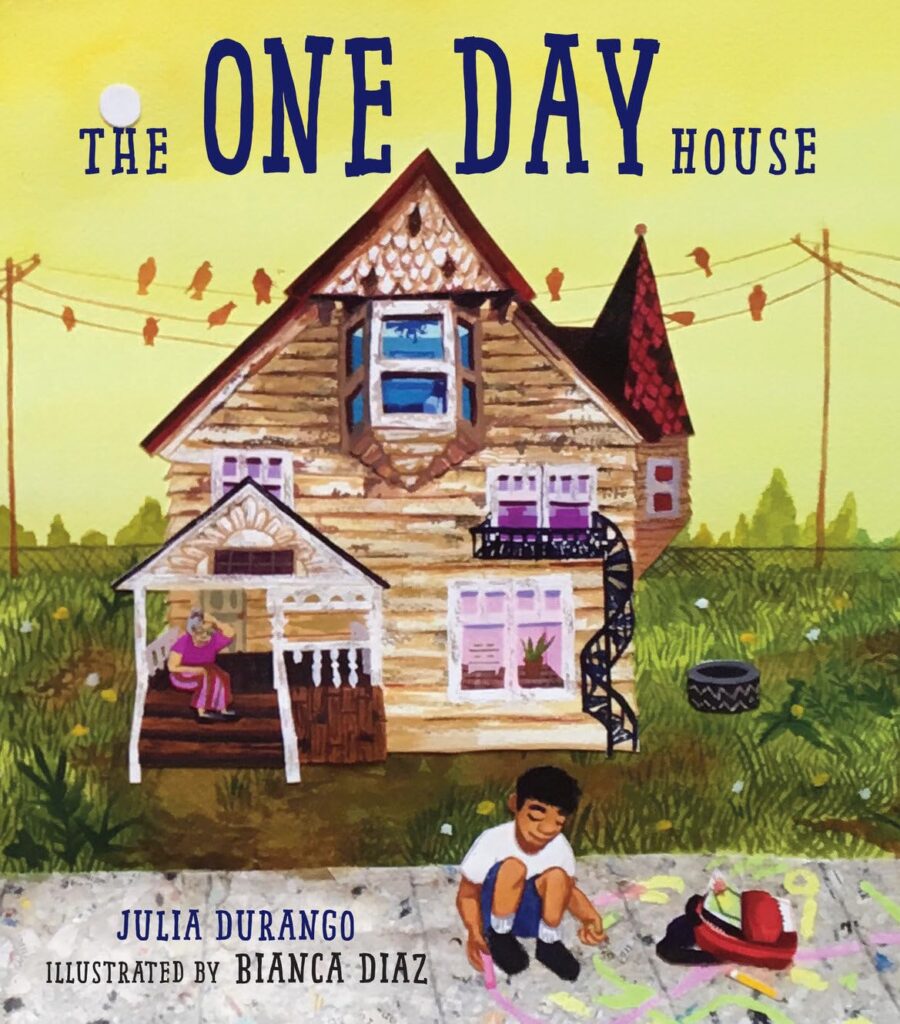
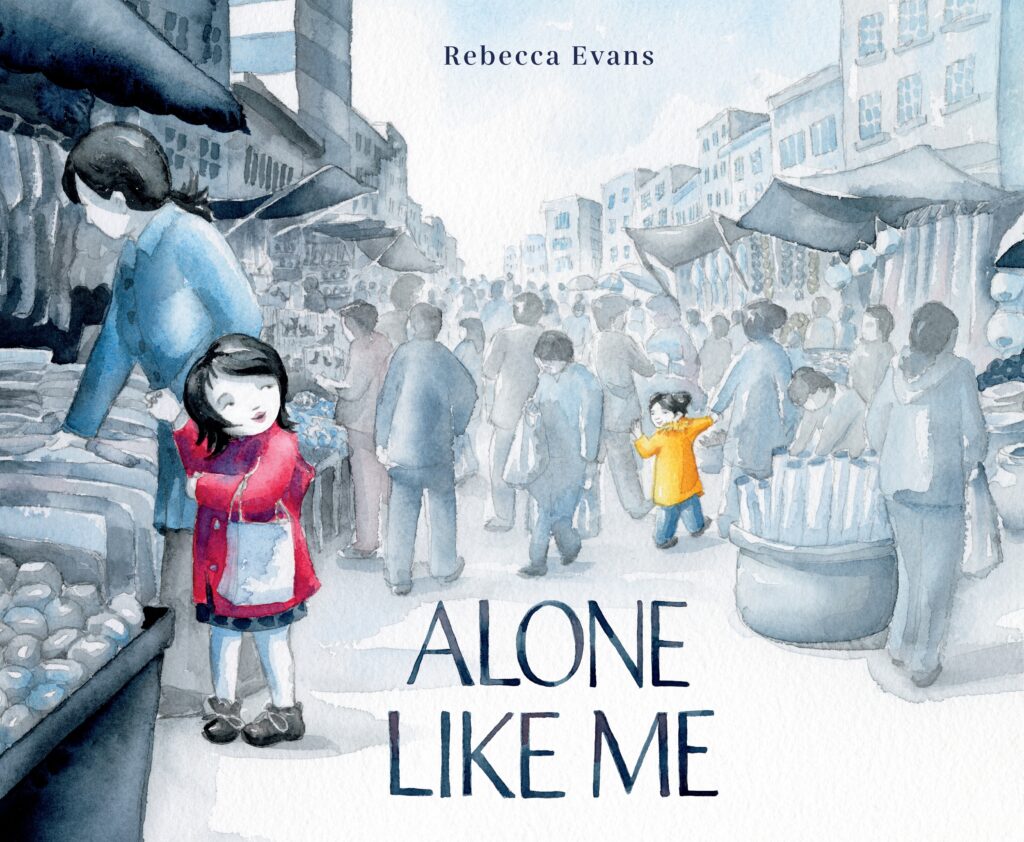
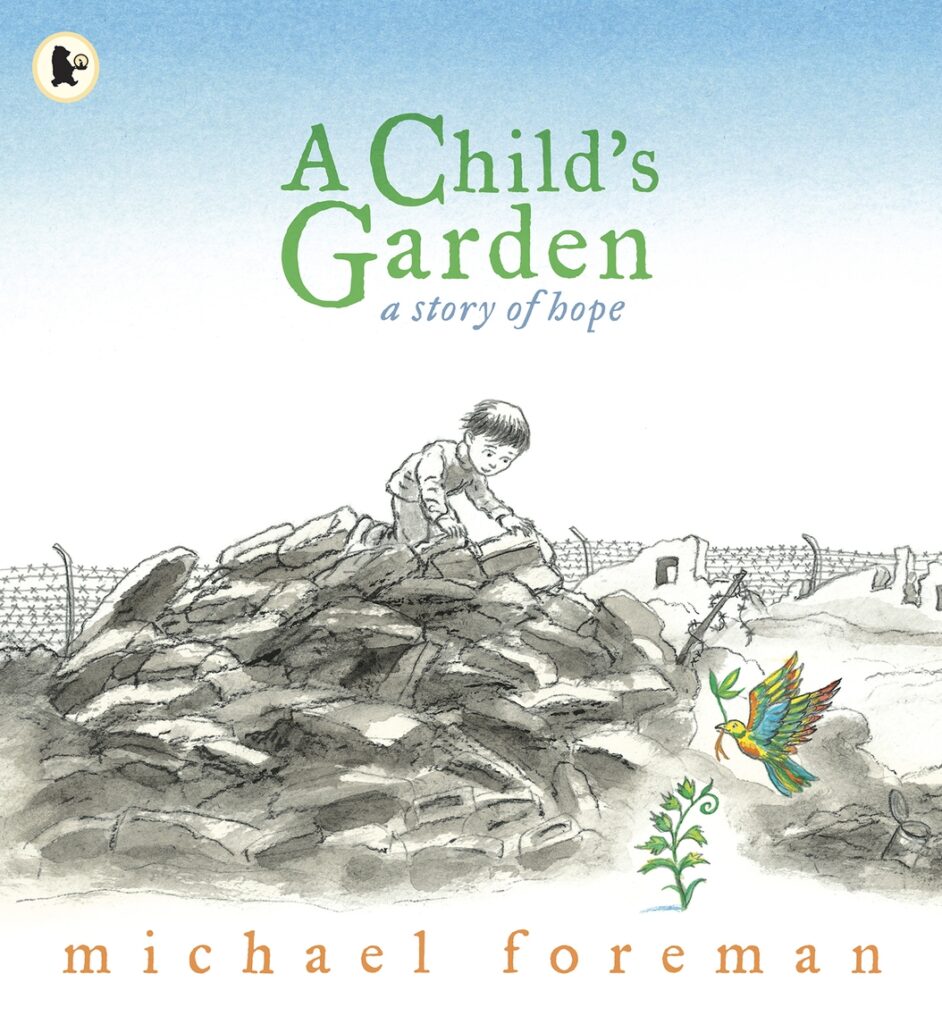

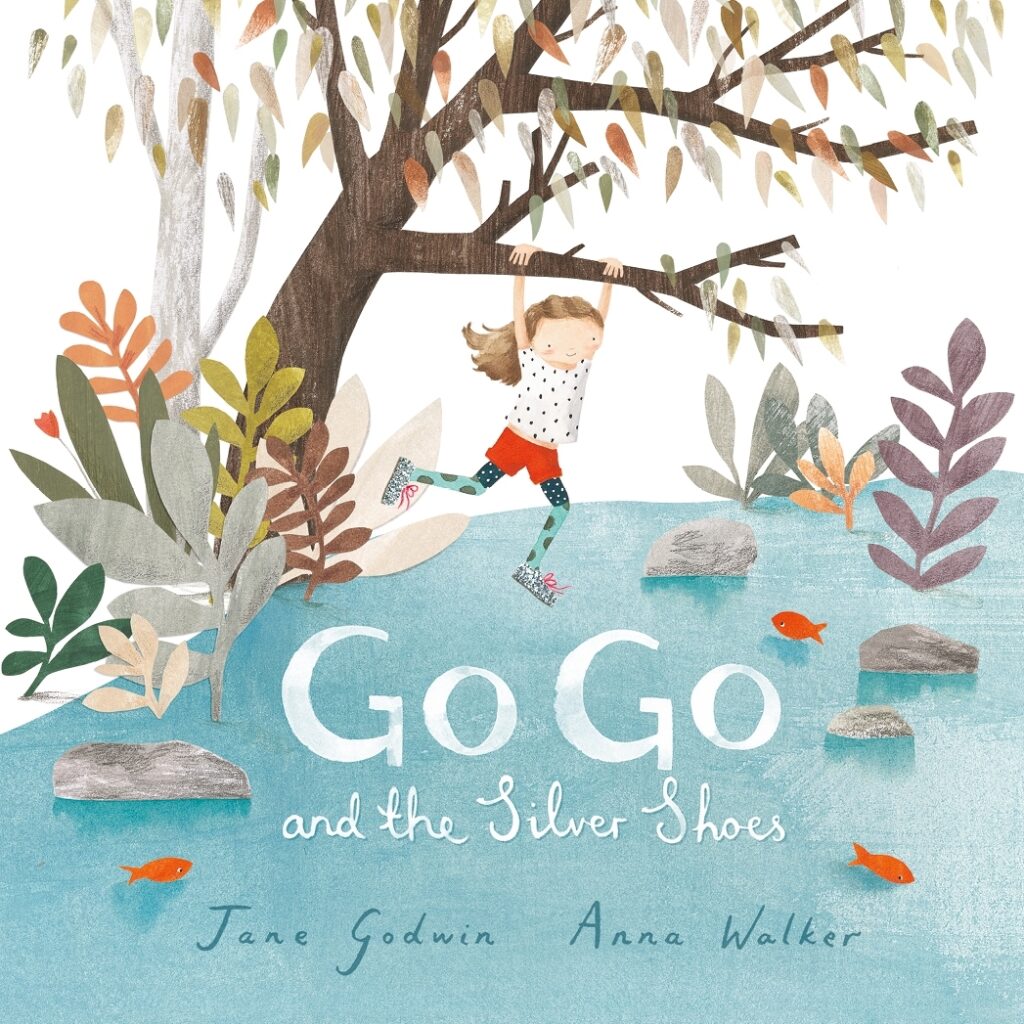
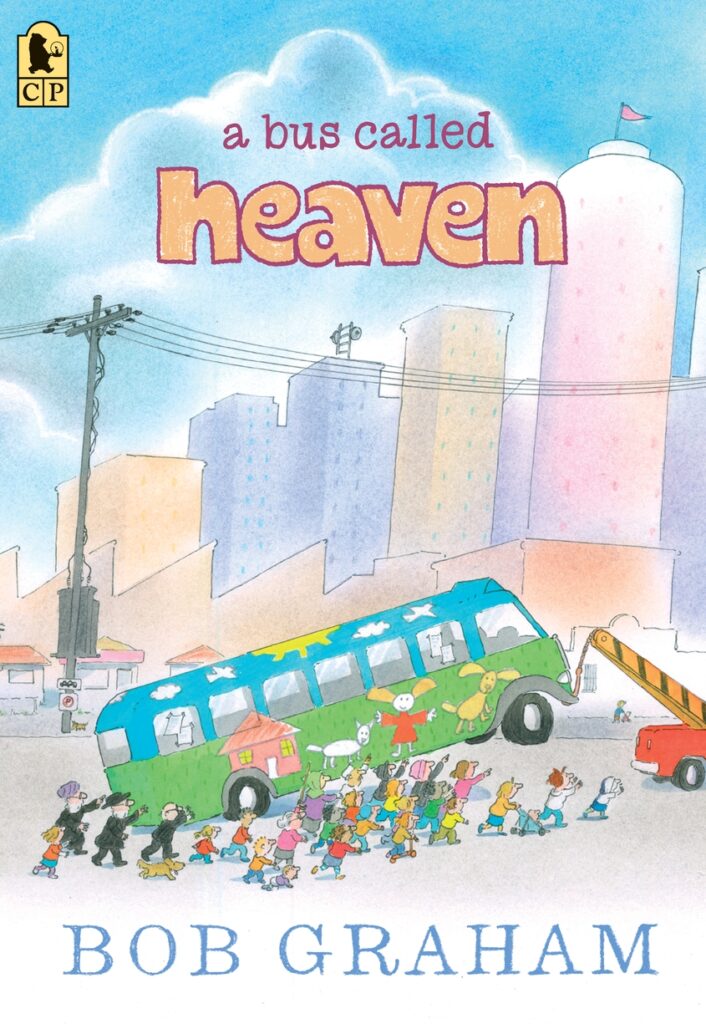






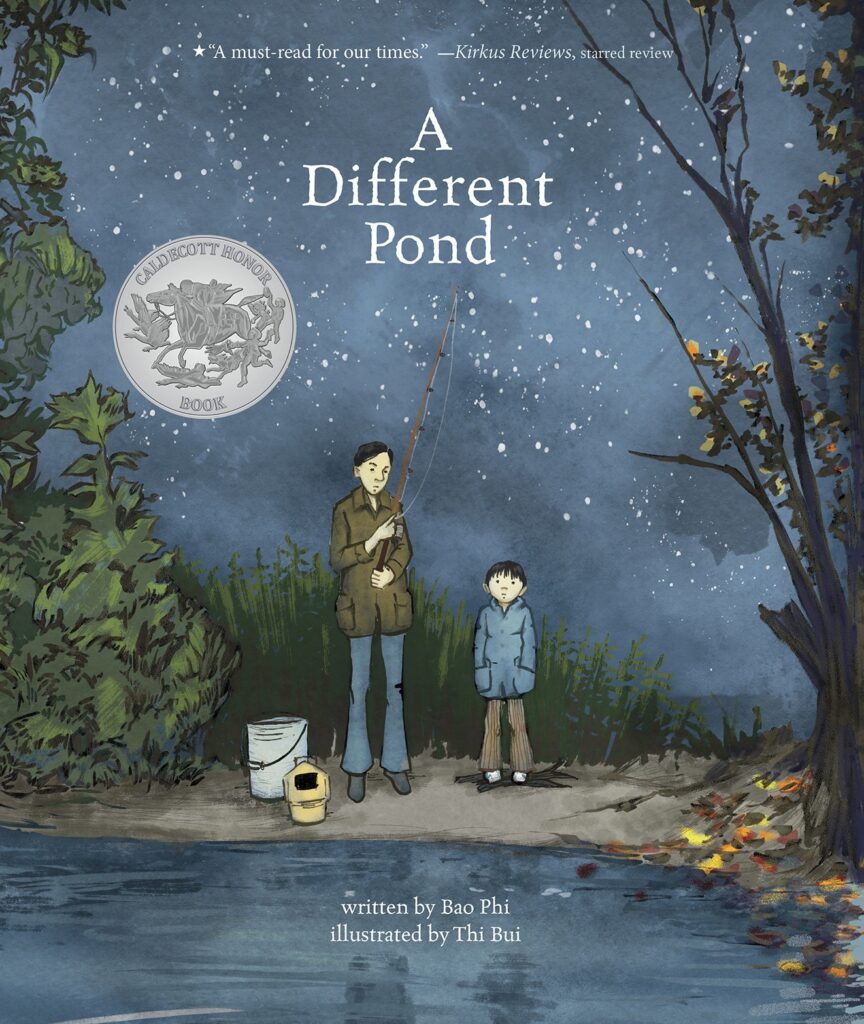

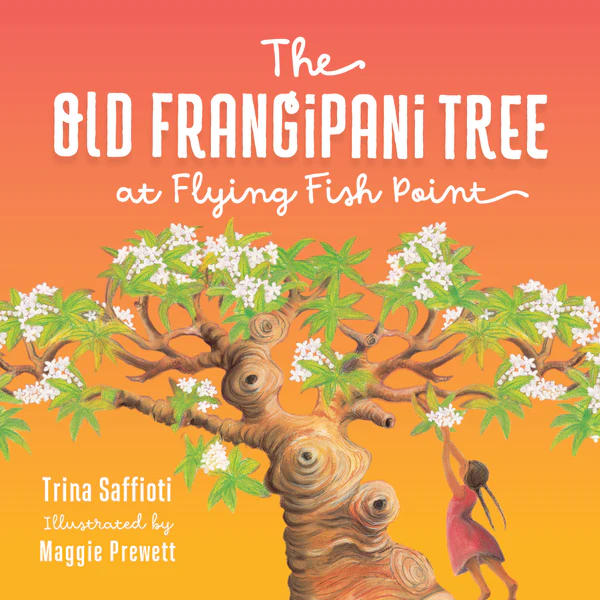
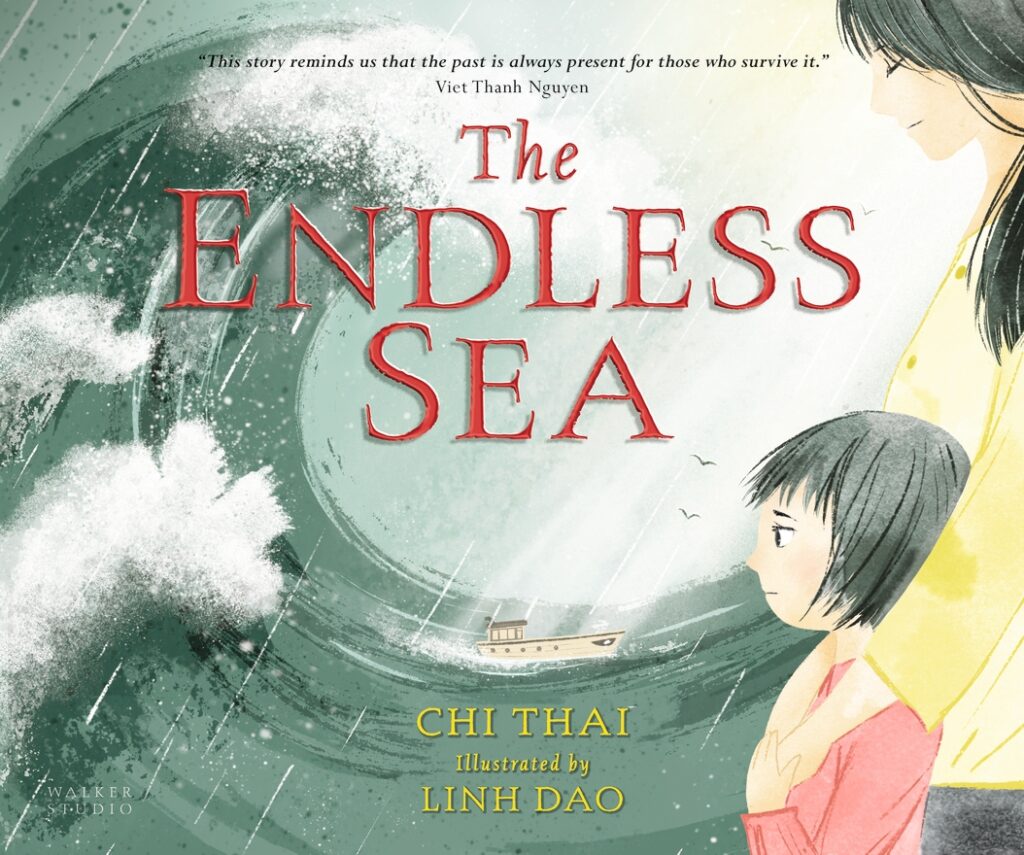
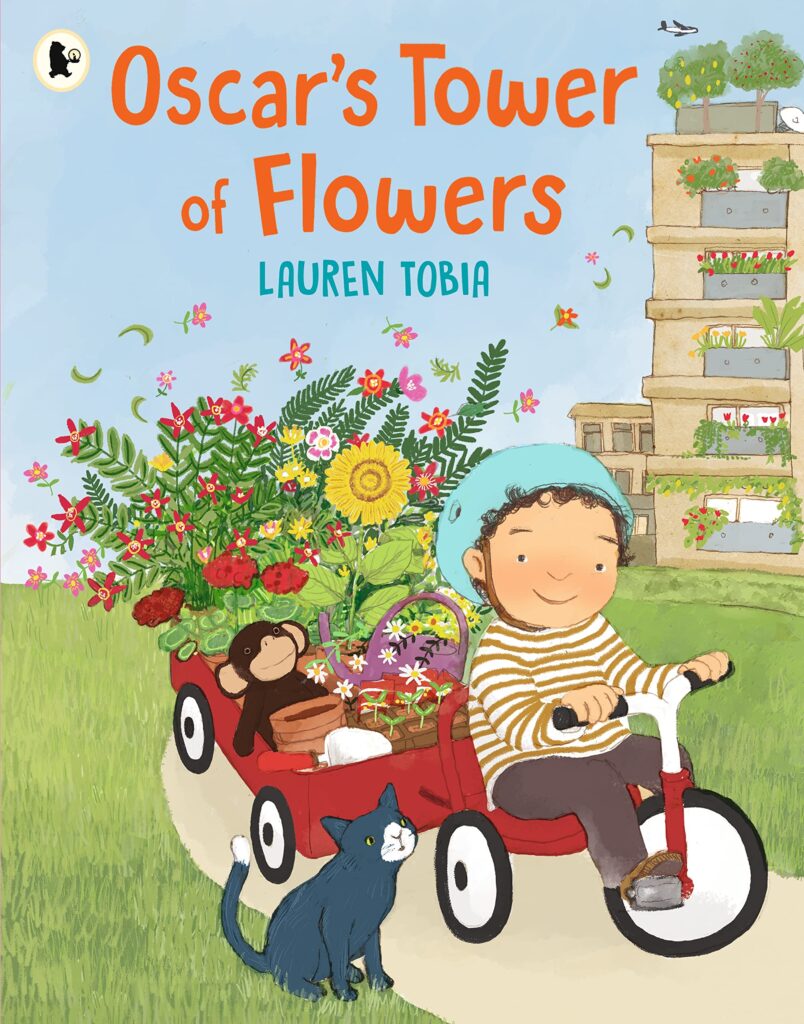

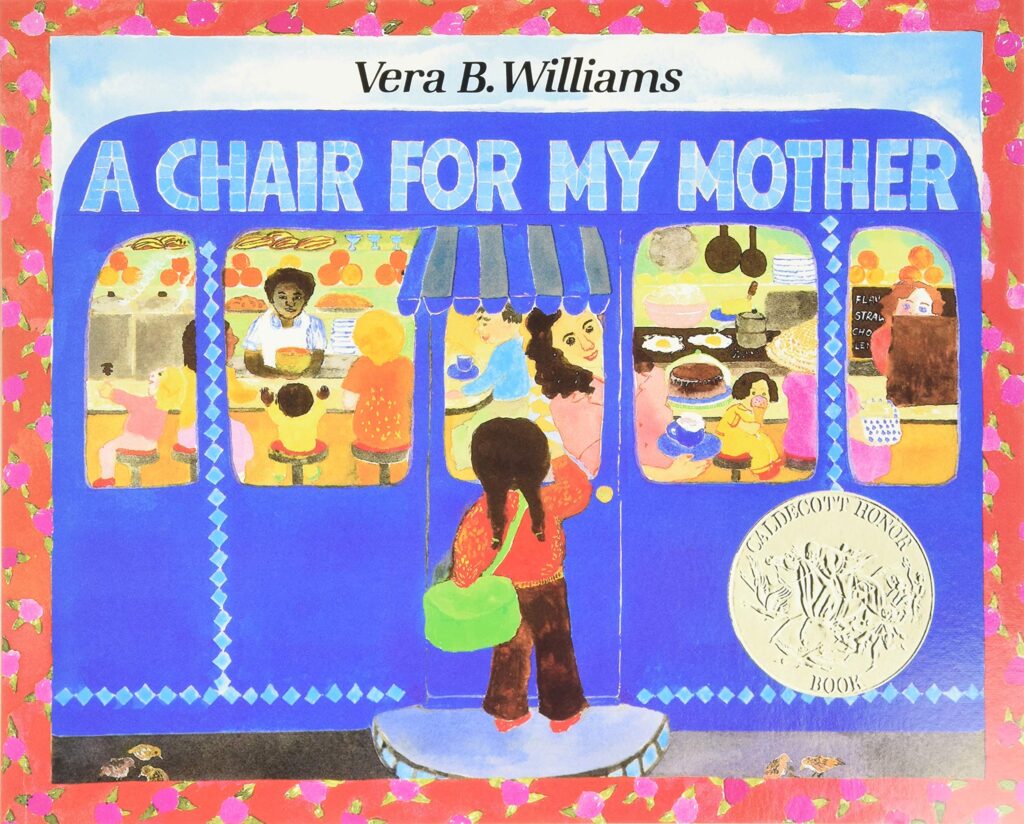
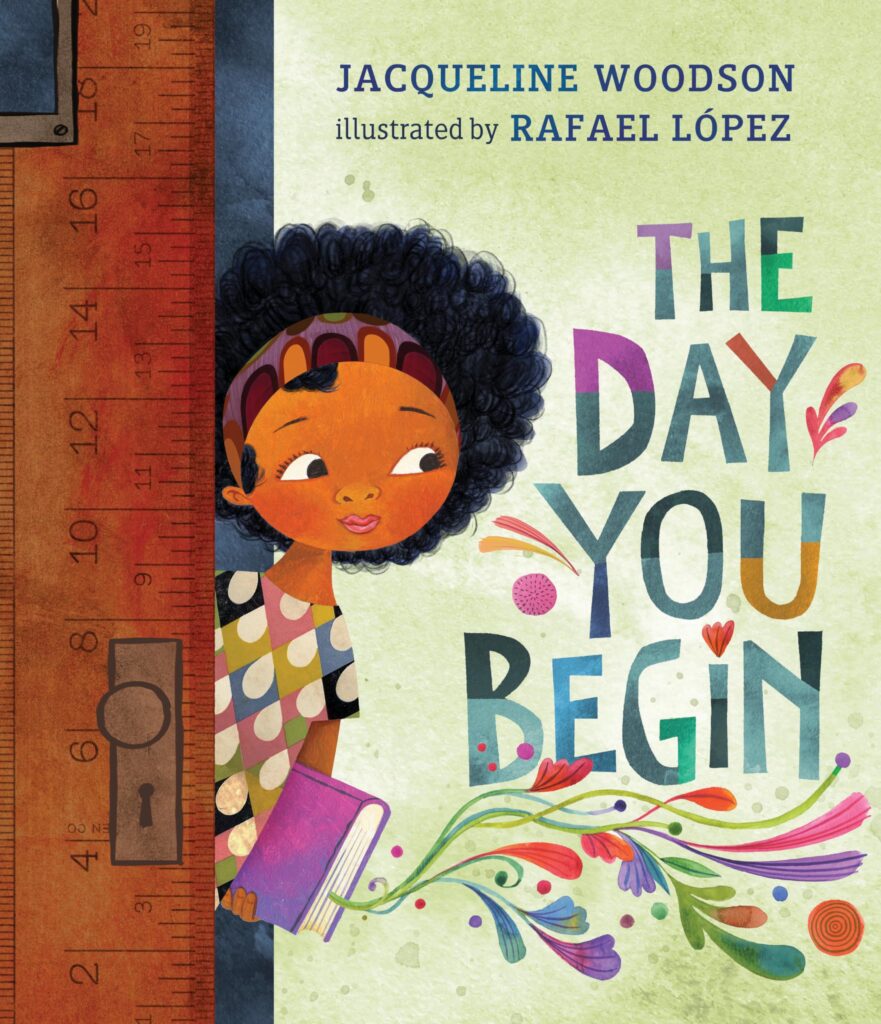
We have searched for books that represent and engage with some of the everyday experiences of family life for those who are affected by poverty. We have done this with educators working in high poverty contexts and book sellers interested in inclusion. We welcome suggestions from anyone (please email engagingfamilies@unsw.edu.au).
We know there is tremendous diversity among families. Some will have intergenerational experiences of poverty, some will have recently dropped below the poverty line, some will live in the inner city, some in remote locations. Some will have strong connections to place and country while others may be constantly on the move. Some will be First Nations, refugees, or speak languages other than English. Some will be in same-sex, gender-fluid or trans families, some will be single parent households, some multiple family households, and others may be homeless. Some families live with disabilities. Others may live with violence. Some families will be highly isolated, and some may live strongly connected to large communities. Some children may live with grandparents, other kin, or foster carers while others may have lively young parents. Some will have multifaceted trauma while others may only experience the social exclusion that comes of poverty.
We have tried to address these diversities as much as possible, but the characteristic that binds our collection together is depictions of poverty.
We are mindful that books that respectfully depict life on a low income may not be the books found in children’s homes. The books found in children’s homes may be the ones available at the checkout of the local supermarket or those that have found their way into op shops. The latter, and knowledge of how to work effectively with such books, is a critical part of effective work with children and families. We think there is a place for both ‘types’ of books on the bookshelf of early learning settings (ECECs and schools). It is important for family members and children to be able to reach for something familiar and that they can read with confidence.


